From the Field: Real Work, Real Results
The scenarios below are anonymized, composite illustrations drawn from real client engagements across financial services, technology, manufacturing, professional services, and the non-profit sector. Each one addresses a live business challenge, not a training exercise, and builds lasting leadership and team capability at the same time. That dual outcome is mandatory.

Emerging & High-Potential Leaders
For early-career and high-potential experienced leaders who are ready for more than their current role is asking. Real learning through real accountability.

Senior Leader & Executive Development
For senior leaders being asked to shift from personal performance to developing others, and from having the answer to asking better questions.

Team Collaboration & Org Alignment
For teams and leadership bodies where the challenge is not individual capability but how people work together, commit to action, and surface what is not being said.
Emerging & High-Potential Leaders
These cases work with early-career talent, management trainees, and formally identified high-potentials who are ready to be stretched beyond their current scope. The common thread is not a title or a nomination. It is the recognition that these individuals have more capacity than their current role is asking of them. The design puts them in real situations with real accountability: leading teams, solving live business problems, and presenting findings to senior leadership. Learning happens through the experience itself, not in preparation for it.
Turning a Talent Program into a Real Leadership Experience
Global bank, retail banking, corporate management trainee program
Six weeks. Real teams. Real proposals to the C-suite. This is what happens when you design a talent program that refuses to let leadership development stay theoretical.
The Challenge:
A major retail bank with a large branch network and a well-established learning and development function wanted to invest in its management trainees in a way that produced real leadership growth, not just polished presentations.
The bank had the structure and the talent pipeline. What it needed was a development model that put trainees in genuine leadership situations with real stakes, not simulated ones.
Management trainees were expected to lead project teams of junior colleagues, conduct original organizational research, and present fully developed innovation proposals to senior executives, all within six weeks. The proposals would be assessed by top management and the outcome would shape the bank's view of its future talent pipeline.
Considerations:
Most management trainees had never led a team before. Under pressure, their instinct was to direct and deliver rather than develop the people around them. Junior team members, meanwhile, waited for instructions rather than thinking independently. The organizational culture rewarded having the answer, which made asking genuine questions feel risky. Without an intervention, the program risked producing impressive-looking outputs with very little real learning underneath.
Our Approach: Building Leadership From the Inside Out:
Rather than teaching leadership as a set of concepts, we built it into the structure of the work itself. Every element of the program was designed so that the leadership behaviors the bank wanted were not just encouraged but required in order for the work to succeed.
• Opened with a one-and-a-half-day leadership workshop for all management trainees, covering Appreciative Inquiry as both an organizational research method and a project management tool, plus Appreciative Leadership for people and team development
• Structured the entire engagement around the Appreciative Inquiry 4D model (Discovery, Dream, Design, Destiny), applied simultaneously at the individual, team, and project levels throughout the program
• Replaced problem statements with affirmative topics: instead of defining what was broken, each team defined what they were eager to explore and achieve
• Ran four three-hour sessions across the program, every two weeks, with large-group facilitation and small-team coaching led by the management trainees themselves
• Used the VIA Character Strengths survey with all participants so leaders could actively build on what people brought, not manage around what they lacked
• Drove all dialogue through questions to surface strengths, explore possibilities, build shared vision, and generate momentum rather than through presentations or advice-giving
The Impact:
Immediate business result: Four fully developed innovation proposals were presented to top management, covering new product concepts, digital service improvements, customer community initiatives, and market growth opportunities. All four were original, research-grounded, and delivered on time.
Lasting capability built: A 30-item survey measuring self-management, team leadership, planning, and execution showed significant improvement across all dimensions, tracked before, during, and after the program. First-time leaders grew into the role. Junior participants reported that conducting appreciative interviews with senior mentors and co-creating proposals using Appreciative Inquiry and Design Thinking principles was among the most meaningful professional learning they had experienced.

Embedding Action Learning into a High-Potential Mentorship Program
Global technology company, finance division
Mentorship programs are often more relationship than result. This organization wanted both, and built a structure that made it impossible to have one without the other.
The Challenge:
A global technology company with a large international operation wanted to make its mentorship program for high-potential finance leaders genuinely developmental rather than a nominal pairing exercise. The business had identified 40 high-potential leaders across its finance division spanning multiple country operations. Each was matched with a mentee from the high-potential pool. The ambition was for these pairings to produce real innovation projects, not just relationship-building. The challenge was how to create the conditions for 40 people, working virtually across borders, to function as project teams capable of designing, proposing, and presenting implementable innovation to the senior board.
Considerations:
Mentorship programs in large organizations often default to conversations rather than outcomes. Without a structured process, the quality of each pairing depended entirely on the chemistry and initiative of the two people involved. The 40 participants were capable individually. What the program lacked was a collective mechanism for turning that capability into shared work: a way to form project teams across organizational and geographic lines, to keep momentum alive between infrequent face-to-face touchpoints, and to ensure the learning happened alongside the doing rather than after it.
Our Approach: Making the Mentorship Program Do Real Work:
We restructured the mentorship program so that mentor-mentee relationships were embedded inside a shared project commitment. The social connection and the professional development happened through the same process, not as separate tracks running alongside each other.
• Integrated Action Learning as the structural backbone of the mentorship program, so that mentor-mentee pairs were also project team members working toward a real deliverable
• Kicked the program off with a four-day face-to-face event to establish team relationships, shared norms, and the Action Learning coaching process before distributed work began
• Formed all 40 participants into four project teams, each tasked with designing, proposing, and implementing an original innovation project within a six-month timeline
• Used virtual Action Learning coaching sessions throughout to maintain team momentum, surface assumptions, and keep collective learning alive across the distance between sessions
• Applied breakthrough questioning to help teams move from individual perspectives to shared insight, and to surface the real constraints and opportunities beneath each project brief
• Required each team to present their final project results to the senior board, ensuring the work had real stakes and real visibility from the outset
The Impact:
Immediate business result: All four project teams completed their innovation projects and presented results to the senior board within the six-month window. The program produced not just proposals but evidence of what cross-functional, cross-geography collaboration could deliver when given the right structure.
Lasting capability built: : High-potential leaders developed the experience of leading project work beyond their functional role, practicing the kind of strategic thinking, cross-boundary collaboration, and stakeholder communication that senior leadership requires. Mentors developed their ability to coach for insight rather than simply sharing advice. The mentorship program became a vehicle for real leadership growth rather than a scheduled conversation.

Growing the Next Generation of Leaders Through Real Project Work
Multinational engineering and services company, international operations
Twenty young leaders. Seven countries. Eight and a half months. No simulations, no case studies, only real projects with real proposals presented to top management.
The Challenge:
A multinational engineering and services company operating across multiple country divisions wanted to build a pipeline of leaders capable of operating above their current functional scope. The business had strong technical talent and well-established country operations, but no structured mechanism for identifying high-potential young leaders, giving them cross-divisional exposure, or developing the strategic and people capabilities that senior leadership would require. Twenty participants drawn from seven country operations across the business had to work together as project teams despite being distributed across different time zones and organizational contexts.
Considerations:
Young leaders in large multinationals often operate within clearly defined functional lanes. They deliver within their scope but rarely have the opportunity or the permission to look across the organization, identify strategic issues, and propose solutions at a level above their current role. Without that experience, they develop technical competence but not the strategic thinking, cross-functional communication, or executive presence that senior leadership requires. The distributed nature of the group added a layer of complexity: building the trust and collective intelligence needed for genuine project work across multiple countries and cultures could not be left to chance.
Our Approach: Designing for Stretch, Not Safety:
We built the program around the principle that leaders grow fastest when they are given responsibility they have not yet fully earned. The entire design was structured to place participants at a level of scope and accountability above their current role, and to support them through that experience rather than protect them from it.
• Designed an 8.5-month Action Learning program structured around live project work, not simulations or case studies, so the stakes and the learning were both real
• Divided participants into four project teams, each responsible for conducting original organizational research, identifying a business issue within their operations, and developing a solution worth presenting to top management
• Opened the program with an onsite kickoff session to establish team relationships, shared working norms, and the Action Learning coaching process before distributed work began
• Used virtual Action Learning coaching sessions throughout the project phase to support team progress, surface assumptions, and keep collective learning alive across the distance
• Coached teams through the full cycle from research and inquiry through to prototyping, refinement, and final presentation, building strategic thinking and communication skills in context rather than in the abstract
• Used breakthrough questioning to help teams move from surface-level problem descriptions to the deeper organizational dynamics that their proposed solutions would actually need to address
The Impact:
Immediate business result: Each project team completed and presented an original business proposal to top management. The process produced not just the proposals but leaders who had actually navigated the full arc of organizational research, cross-functional collaboration, and executive-level communication.
Lasting capability built: Participants developed the ability to work across cultural and geographic boundaries, build shared ownership in distributed teams, and present complex thinking with confidence to senior audiences. For many, the program was the first time they had operated at a level of scope and ambition beyond their day job. That experience of being trusted with something real is what makes the capability stick.

Senior Leader & Executive Development
These cases work with experienced leaders who are being asked to operate differently, not more competently at what they already do well. The shift required is typically from personal performance to developing others, from having the answer to asking the better question, and from leading within a function to leading across one.
Developing Senior Leaders as People Developers in Financial Services
Global bank, retail banking, senior people leaders getting certified as Action Learning team coaches
These were senior leaders who had succeeded by being the smartest person in the room. The next step in their development required them to become the person who asked the best questions.
The Challenge:
A major retail bank with an established branch network and a sizeable customer-facing workforce wanted its eight senior leaders in the retail banking team to make a deliberate shift in how they led. The bank's head of learning had identified that technical capability was not the constraint on performance. The constraint was the senior leaders' ability to develop others: to hold substantive coaching conversations, to create conditions where people could grow in role, and to build the kind of team culture that retains talent and sustains results beyond any individual's contribution. The bank invested in the certification route because it wanted the shift to be structural and lasting, not dependent on a single workshop or a motivational moment.
Considerations:
Senior leaders in high-performing banking environments are under constant delivery pressure. Development conversations are the first thing dropped when a quarter closes hard. These participants were experienced and credible, but their model of leadership was built around personal performance and technical authority. Becoming a developer of others required a fundamentally different orientation: one that valued questioning over advising, and long-term capability over short-term compliance.
Our Approach: Using Certification as a Development Experience:
We ran the senior leaders through the full Action Learning coach certification program, but the credential was not the point. The certification process was designed and delivered so that every element of it was a direct leadership development experience for the participants themselves, not a course they completed in order to then apply their learning elsewhere.
• Ran all participants through the full Action Learning coach certification program, building both the mindset and the practical skills to develop people through structured inquiry rather than instruction
• Used the certification process itself as a leadership development experience: participants practiced coaching their peers on real business challenges, receiving feedback on their questioning quality and their ability to create insight in others
• Applied breakthrough questioning as the core discipline throughout, training leaders to resist the pull toward advice and to stay in the question long enough for genuine reflection to happen
• Anchored learning in the participants' live work context so every skill practiced had an immediate application in their teams
• Ensured the program concluded with WIAL certification, giving participants a recognized credential and a replicable process they could deploy independently
The Impact:
Immediate business result: All participants completed the certification program. The bank subsequently incorporated Action Learning into its ongoing talent development program, making it a structural feature of how the organization develops leaders rather than a one-time intervention.
Lasting capability built: Senior leaders left with a concrete method for developing others that they could apply in 1:1 conversations, team settings, and formal coaching engagements. The shift was not cosmetic. These were leaders who had been rewarded throughout their careers for having the answer. What the program built was their capacity to ask the question instead, and to trust that this was the more powerful act.

Embedding Action Learning into a Global Leadership Acceleration Program
Global professional services firm, international operations, high-potential leaders
High performers from multiple countries. Six months. Four strategic problems the senior leadership team actually needed solved. Development and business output through the same process, not two separate programs running in parallel.
The Challenge:
One of the world's largest commercial real estate services firms was running a structured leadership acceleration program for high-potential leaders across its regional operations. The firm operates across advisory, transactions, property management, and investment management, with country teams that function with significant autonomy. The Accelerate program brought together commercially experienced leaders from multiple country operations with a dual mandate: develop the individuals as regional leaders, and generate real strategic thinking on the business challenges the senior leadership team most needed to solve. Action Learning was selected as the methodology to achieve both simultaneously.
Considerations:
Professional services is a high-context, relationship-driven business where individual performance and local market knowledge are the primary currencies. Leaders in this environment are highly capable within their own geography and service line, but the habits that make someone excellent in a single market, moving fast, relying on personal networks, making intuitive calls, can actively work against cross-regional collaboration, cross-business integration, and the kind of strategic thinking that requires slowing down to examine assumptions. The cohort was strong on execution. It was less practiced at the disciplines of genuine inquiry, collective problem-solving, and structured reflection that international leadership demands.
Our Approach: Interrupting the Default and Replacing It with Practice:
We embedded Action Learning as the spine of the entire Accelerate program, ensuring that the strategic challenges and the leadership development were not two separate tracks but the same one. Participants developed as leaders by doing the strategic work, not before it or after it.
• Embedded Action Learning as a core structural component of the Accelerate program, not a standalone module, so that the strategic topics and the leadership development were happening through the same process rather than in parallel
• Organized participants into four cohort teams, each working on a live strategic challenge directly connected to the senior leadership team's priorities: growing operational efficiency and business performance, strengthening the firm's brand internally and externally, increasing cross-business collaboration to deliver better client outcomes, and building the organization's ability to attract and retain talent across regions
• Assigned each team an executive sponsor to provide strategic context, share their own experience of working across markets and functions, and act as a sounding board, ensuring the work was grounded in real organizational stakes throughout
• Ran the program over six months with four structured milestones: defining and validating the problem, developing options, stress-testing draft solutions, and presenting final recommendations to the senior leadership team
• Used 60 to 90-minute Action Learning sessions at each milestone, with the Action Learning coach holding the discipline of questions-only, intervening when the group shifted from inquiry into advocacy, and ensuring every session closed with committed individual actions
• Closed every session with peer feedback on the use of identified strengths, so the learning about leadership behavior was surfaced through the same process as the strategic work, not separated from it
• Extended the model to parallel cohorts in other regions, each working on locally specific strategic challenges, ensuring the approach scaled without losing the quality of inquiry at each location
• Ran a targeted questioning skills session for participants in one functional cohort as an intervention to sharpen the quality of inquiry within the Action Learning teams, including a strengths-based question bank built around the group's shared top strengths results
The Impact:
Immediate business result: Each cohort team produced a fully developed strategic recommendation and presented it to the senior leadership team at the end of the program. The teams had moved through a disciplined arc from defining the real shape of the problem, through testing options, to producing proposals grounded in organizational data and cross-market insight rather than individual perspective. Parallel cohorts in other regions produced strategic thinking on their own priority topics. The questioning skills session produced a question bank that teams continued to draw on beyond the program.
Lasting capability built: Participants developed the ability to work effectively across market boundaries and business lines, to lead in distributed environments without defaulting to positional authority, and to engage in the kind of structured collective inquiry that produces better decisions than any individual could reach alone. The program built internal collaboration as a practiced skill, not a stated value. Leaders who entered as strong individual contributors left with the experience of having navigated six months of real strategic work together, across cultures, time zones, and competing business priorities. That experience is what global leadership actually requires.

Using Methods that Create Different Culture
Global bank, cross-functional executive development
What actually changes in a room when you shift from problem-focused to possibility-focused? One senior executive decided to find out firsthand, and what he observed was hard to argue with.
The Challenge:
At a major global bank, a senior executive with oversight of a large leadership team wanted to understand which development approach would serve his organization better. He had the budget and the organizational support to invest in either WIAL Action Learning or Appreciative Inquiry for his team's development. Rather than choose on paper, he commissioned both, running them as separate engagements with his leadership team and observing the difference firsthand. He was an attentive leader who watched how his people responded, and what he observed across the two methods was striking enough that he described it directly.
Considerations:
The organization's dominant culture was problem-focused. Meetings were structured around what was wrong, what was at risk, and what needed fixing. This created urgency but also a particular kind of tension: people engaged because they had to, not because they were pulled forward. Leaders were skilled at diagnosing problems. They were far less practiced at building on what was already working.
Our Approach: Running Both Methods with Integrity:
Rather than advocate for one approach over the other, We ran each method with full fidelity, allowing the difference to speak for itself. The goal was not to produce a verdict but to give the organization real evidence about what each approach created in its specific culture.
• Ran WIAL-based Action Learning sessions focused on pressing organizational problems, using structured questioning, ground rules, and coach intervention to improve group learning and performance
• Ran separate Appreciative Inquiry sessions using the 4D model, beginning from strength, success, and possibility rather than deficit and risk
• In both formats, used insightful questions to drive reflection rather than giving advice or providing solutions
• Applied the Appreciative Inquiry process to surface what the organization was already doing well and what a compelling future could look like, building energy and ownership through positive framing
The Impact:
Immediate business result: Both approaches produced decisions, plans, and committed actions. Neither was ineffective at the task level.
Lasting capability built: The observable difference was in the people. During problem-focused sessions, the executive watched his team knit their brows, working hard against something. During the Appreciative Inquiry sessions, he saw something different: what he described as a glow on people's faces, and hope for a brighter future. The lesson was not that one method is always right. It was that the method must be chosen deliberately, understood fully, and applied with integrity. A random blend of incompatible approaches creates confusion. A clear choice, made well, creates transformation.
Team Collaboration & Organizational Alignment
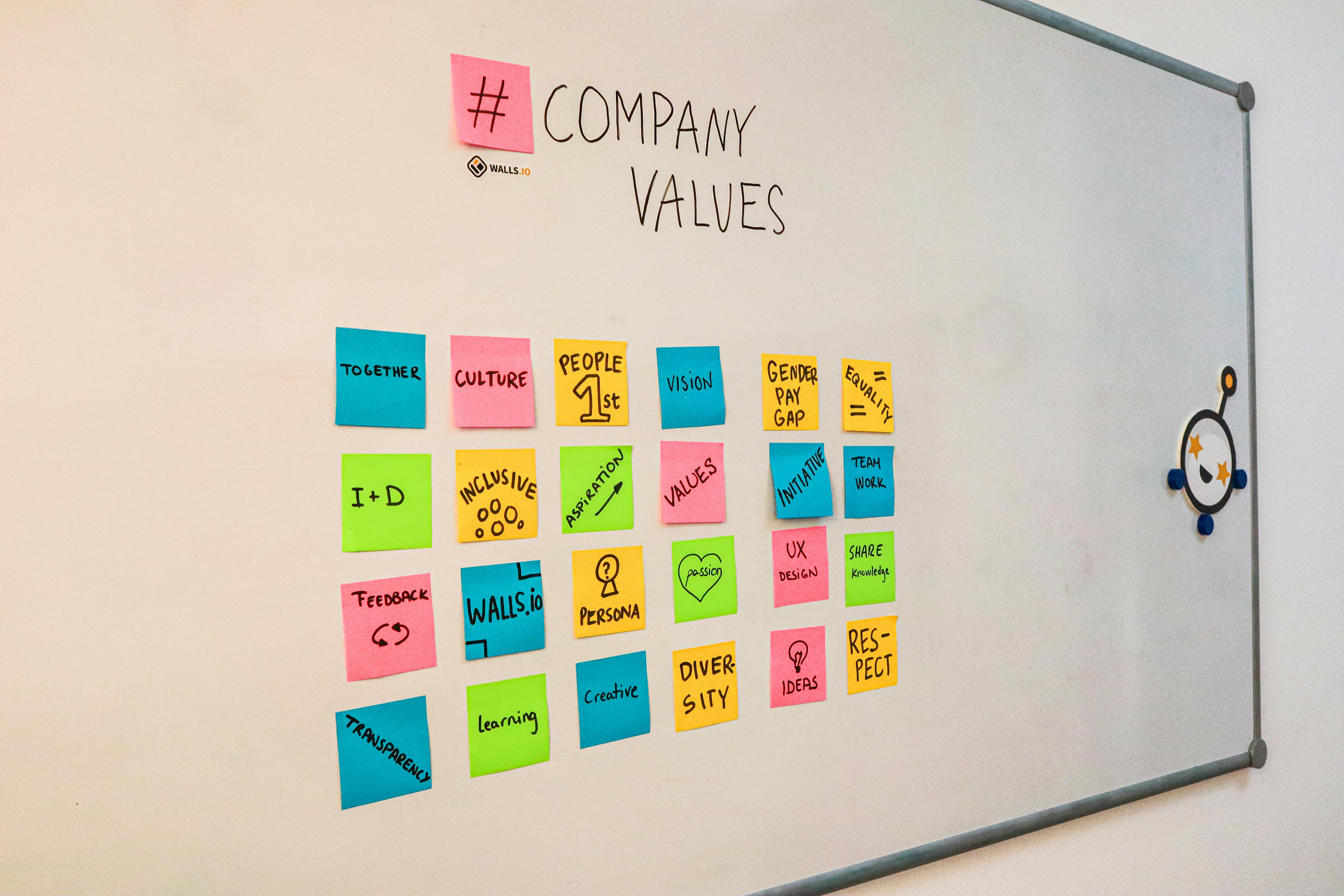
These cases work at the group level, where the challenge is not any one individual's capability but how a team, function, or leadership body works together. The focus is on surfacing what is not being said, building the habits of collective inquiry, and turning a room full of capable people into a group that can actually solve problems and commit to action together.
Unlocking Creative Problem-Solving in a Compliance-Driven Team
Hospitality and entertainment company, operations leadership
A team trained to close down options was asked to open them up. The challenge was not motivation. It was creating the conditions for a different kind of thinking to become possible.
The Challenge:
A large integrated resort and entertainment company wanted to develop the leadership and problem-solving capability of the management team within its security and surveillance department. The organization was a complex, high-stakes operation with a large workforce, strict regulatory requirements, and significant pressure on both safety outcomes and guest experience. The department's 16 leaders were operationally strong and procedurally rigorous. The learning objective was to develop them to ask better questions, inspire more creative thinking in their teams, and engage with both personal and business challenges in ways that generated new options rather than reinforcing existing ones.
Considerations:
Operations and security professionals are trained to identify threats and close vulnerabilities. This discipline of controlled, rule-bound thinking is exactly right for their operational context. In a leadership and team development setting, however, it became a constraint. Team members waited for the established answer rather than proposing new ones. The idea that there might be multiple valid approaches to a people or business challenge was not yet part of the team's working culture.
Our Approach: Interrupting the Default and Replacing It with Practice:
We did not try to change the team's operational culture, which was an asset, but worked to build a parallel mode of thinking that participants could access when the situation called for it. The approach used the Action Learning structure to create repeated experiences of questioning and possibility-opening in a context where that was unusual enough to be genuinely challenging.
• Divided participants into two Action Learning teams, each working on both personal leadership challenges and live business issues, so the learning connected to the full range of pressures these leaders were actually facing
• Used breakthrough questioning to interrupt the default pattern of statement-making and position-defending that characterized the team's existing meeting culture
• Introduced creative thinking as a discipline: not as an abstract concept but as a set of practices applied directly to the issues the teams brought into each session
• Coached participants in how to ask questions that opened up thinking rather than closed it down, and how to create the same quality of questioning in their own teams
• Used the Action Learning protocol to ensure that every session produced committed action, not just discussion, building the habit of moving from insight to accountability
The Impact:
Immediate business result: Both Action Learning teams worked through real business issues during the program, reaching decisions and producing committed action plans that had not existed before the sessions.
Lasting capability built: Leaders left with a noticeably different orientation toward problem-solving. Participants who had previously brought closed positions into team discussions began practicing open questioning. The department's culture of controlled compliance remained an asset in operations. What changed was the leaders' ability to step out of that mode when the situation called for creativity, and to invite the same shift in the people they led.

People Leaders Solving Real Problems Across a Global Manufacturer
Global manufacturing company, multiple sites, cross-functional leadership development
The managers closest to the work were waiting for answers from above. The organization had the solutions it needed sitting right in the room, and had never created the conditions to surface them.
The Challenge:
A global electronics and storage manufacturing company with operations across multiple continents was investing in a structured development program for its people leaders. The company had a strong engineering and operational culture and a maturing approach to talent development. What it recognized was that its people leaders, the managers closest to the production floor and the frontline teams, were the critical layer the organization needed to develop if it wanted to shift how work got done and how problems got solved. These were managers responsible for teams navigating work process revamps, new technology rollouts, shifting customer service expectations, and evolving business strategies, often simultaneously. The organization needed its people leaders to stop waiting for solutions from above and start generating them from within their own teams.
Considerations:
People leaders in manufacturing environments are typically promoted for operational competence. They know how to get things done. What they are less practiced at is slowing down to ask better questions, surfacing what their teams already know, and building the kind of psychological safety that makes honest problem-solving possible. Under the pressure of daily operations, these leaders defaulted to telling rather than asking, and to managing tasks rather than developing people. The organization's leadership culture was unintentionally reinforcing the very bottleneck it wanted to remove.
Our Approach: Putting Real Problems at the Center of Development:
We embedded Action Learning sessions directly into the people leader program, ensuring that development was not separate from operational reality. Each session was structured so that the leadership skills the organization wanted to build were practiced on the exact challenges its managers were already trying to solve.
• Embedded Action Learning team coaching sessions directly into the people leader development program as a required component, not an optional add-on
• Each session was built around a live challenge brought by a participant from their own team or function: a work process that needed redesigning, a new technology their team was resisting, a customer service breakdown, or a strategic direction that had not yet translated into clear team priorities
• Applied breakthrough questioning throughout: leaders were coached in the discipline of asking before answering, and the group learned to surface the real problem beneath the stated one
• Used the Action Learning protocol to produce committed actions at the close of every session, with each leader naming a specific step they would take before the next meeting and reporting back on what they had done and what they had learned
• Ran sessions quarterly as part of a sustained program that also included 1:1 mentoring, accountability partner pairs with monthly check-ins, and exchanges with senior leaders and subject matter experts
• Tracked development across the program using a structured leadership competency model covering self-management, team leadership, coaching skills, and delegation
The Impact:
Immediate business result: Challenges that had been sitting unresolved for months, including stalled process redesigns, low adoption of new tools, and team-level confusion about strategic priorities, were worked through in-session by the leaders themselves. Solutions were owned by the people who had to implement them because those same people had built them.
Lasting capability built: People leaders reported a shift in how they ran their own team meetings: more questions, less direction, and higher ownership from their direct reports. Leaders who had previously escalated every ambiguous situation began resolving them at the team level. The organization saw measurable improvement in engagement survey results and a reduction in avoidable leadership-related attrition among frontline staff. What the program built was not a set of techniques. It was a different relationship between these leaders and the act of leading.
Building a Collaboration Network Across a Regional NGO
International humanitarian organization, regional operations
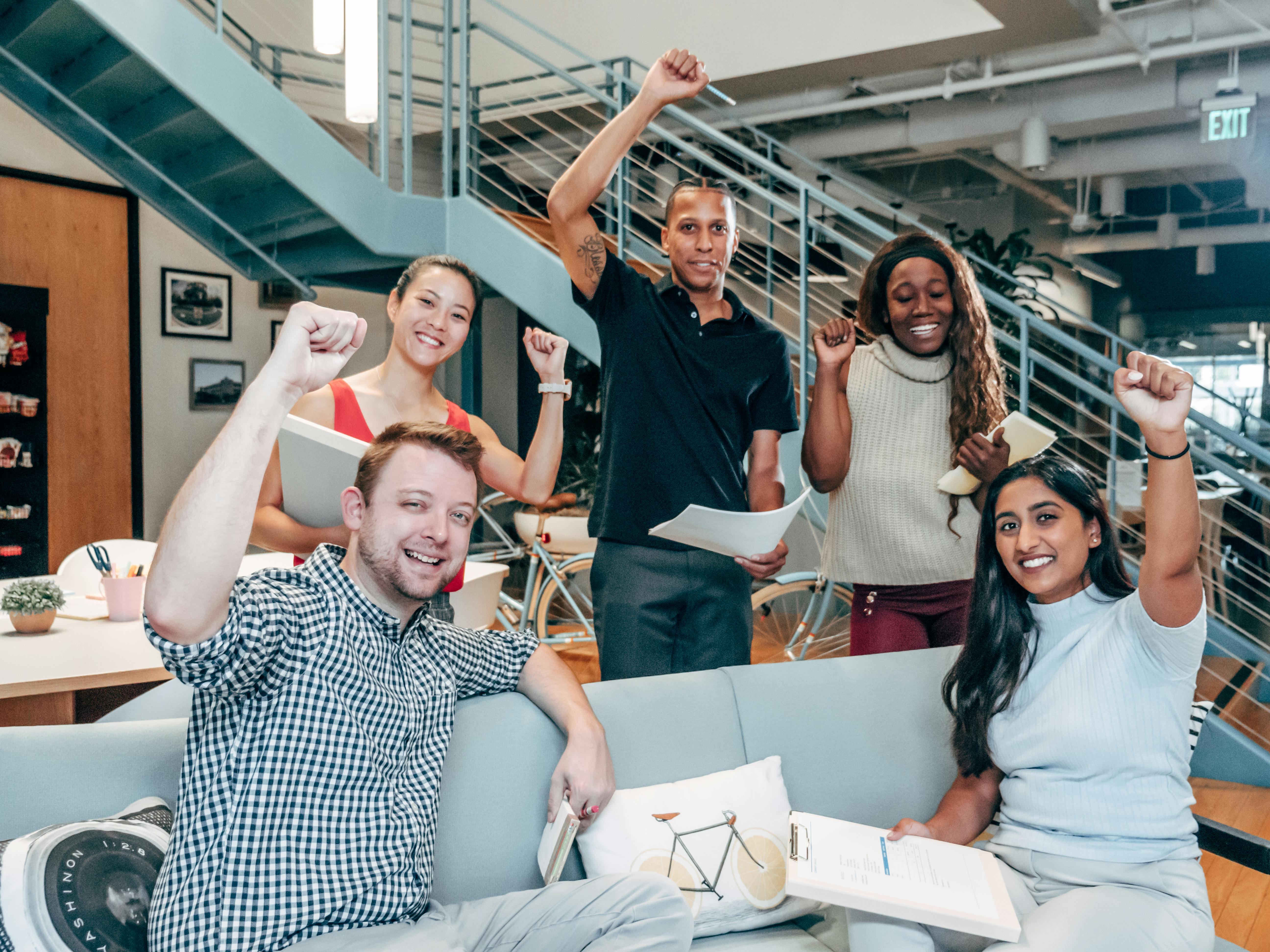
Ten leaders from different country offices, the same mission, and almost no structured way to learn from each other. A single well-designed session started to change that.
The Challenge:
An international humanitarian organization with country offices spread across multiple regions brought its regional team leaders together as part of its annual regional learning week. The immediate focus was practical: the central office needed to clarify how it could provide more effective operational and backend support to the country teams it served. But the underlying challenge was broader. Country teams were working in parallel rather than in concert. Expertise and learning were not flowing between offices. Leaders who faced similar problems in different contexts had no structured way to learn from each other, and the organization was not making full use of the collective knowledge it already held.
Considerations:
In organizations with distributed country operations, the gravitational pull is always toward the local. Country teams are accountable for their own results, resourced for their own contexts, and measured on their own outcomes. Regional connection is valued in principle but rarely built in practice. The approximately ten regional leaders who came together for this session were experienced and committed, but they had no established habit of collective problem-solving, no shared frame for surfacing what each office most needed from the center, and no mechanism for turning the insights from a learning week into sustained collaboration after it ended.
Our Approach: Turning a Meeting Into a Foundation:
We designed the session to accomplish two things at once: solve the immediate question of how the central office could better support regional teams, and begin building the relational and conversational infrastructure that would make ongoing collaboration possible after the event ended.
• Ran an Action Learning session focused on the concrete question of how the central office could most effectively provide backend support to regional teams, using the real priorities and frustrations of the participants as the material
• Used breakthrough questioning to move the group from general discussion of regional coordination toward specific, actionable understanding of what each team most needed and what the center was and was not currently delivering
• Structured the session to surface the individual priorities of each regional team and to identify the patterns across them, making visible what collective support could look like rather than leaving it abstract
• Used the committed action protocol to close the session with concrete next steps from both the central office and the regional teams, agreed in the room rather than deferred to follow-up
• Designed the session explicitly to begin building the relational infrastructure for ongoing peer exchange: leaders left with shared language, shared experience of working through a problem together, and a foundation for continued collaboration beyond the formal event
The Impact:
Immediate business result: The session produced a clear picture of the individual priorities each regional team needed addressed, and a set of concrete commitments from the central office on how it would adapt its support. The group reached agreements in the room that had not been reachable through email chains and separate conversations.
Lasting capability built: : Regional leaders left the learning week with more than content. They left with a shared experience of having worked through a real problem together, and with the beginning of a collaboration network that the organization could build on. The session demonstrated what became a key insight for the leadership team: that building cross-country collaboration is not a communication challenge. It is a structured learning challenge, and it requires a method.
Building Problem-Solving Capability in a Back-Office Function
International financial services company, operations and support team
The people closest to the operational problems are rarely the ones asked to solve them. This program gave a back-office team the tools and the permission to change that.
The Challenge:
An international financial services company wanted to develop the creativity and problem-solving capability of approximately 30 managers and general staff in its back-office function, covering administration and human resources. These were not the business's revenue-generating leaders. They were the operational backbone: the people who kept the organization running, processed the work that others depended on, and managed the internal systems and processes that directly affected employee experience and operational efficiency. The organization recognized that this group had significant untapped potential to improve the way things worked, but needed both the skills and the permission to engage with real issues in a new way.
Considerations:
Back-office and support functions in financial services organizations are typically rewarded for accuracy, compliance, and consistency rather than for questioning existing processes or proposing new approaches. Staff in these roles often have detailed, ground-level knowledge of what is and is not working, but no structured way to surface that knowledge or act on it. Creativity and problem-solving were not seen as part of the job. The default in meetings was to report on what had been done, not to examine whether it should be done differently.
Our Approach: Combining Skills Training with Live Application:
Rather than run a standalone creativity workshop, We combined skills-building with real problem-solving so that participants were practicing new capabilities on actual challenges from their own work. The learning was embedded in doing, not delivered as theory to be applied later.
• Provided upfront skill training in creative thinking tools, questioning techniques, and problem-solving approaches so that participants had a practical toolkit before entering the Action Learning sessions
• Ran Action Learning sessions where participants applied those skills directly to real issues they were facing in their own work, so learning and doing happened simultaneously rather than in sequence
• Used the Action Learning questioning discipline to help participants surface and examine the assumptions behind current processes, identifying where existing practice was a genuine constraint and where it was simply habit
• Coached participants to ask better questions of each other rather than defaulting to advice or complaint, building the conversational habits that sustain ongoing improvement
• Used the committed action protocol to ensure every session closed with specific, owned next steps rather than general intentions, building accountability and follow-through into the process from the start
The Impact:
Immediate business result: Participants worked through real operational issues during the Action Learning sessions, reaching decisions and identifying improvements that came directly from the people closest to the work. Several process improvements were identified and committed to during the program itself.
Lasting capability built: Staff who had previously seen problem-solving as someone else's job left with both the tools and the confidence to engage with issues constructively. The combination of skills training and live application meant participants were practicing in context rather than absorbing theory for future use. The organization developed a back-office culture that was incrementally more questioning, more improvement-oriented, and more willing to surface what was not working and propose something better.

Aligning a Board on Vision and Collective Commitment
Non-profit education organization, executive board team
The strategic plan was not the problem. The problem was that not everyone in the room was equally committed to it, and everyone knew it. This session made the unsaid sayable.
The Challenge:
A non-profit organization focused on education and knowledge development brought its eight board directors and active members together to work on strategic planning for the coming year. The organization had a clear mission and a committed group of people who believed in it. What it had not been able to resolve was a quieter, harder problem sitting beneath the planning agenda: not every board member was contributing equally, and the gap between stated commitment and actual involvement had begun to create friction that everyone could feel but no one had named directly. Until that was addressed, no strategic plan could carry real weight.
Considerations:
Boards are environments where social norms work against honesty. Members often protect relationships at the cost of candor, and frustrations about uneven contribution tend to accumulate in private rather than being raised in the room. In this case, the misalignment was not about strategy. Everyone was aligned on the vision. The issue was personal commitment: what each board member was actually willing to do, and whether the group could name that gap directly without damaging the relationships the organization depended on.
Our Approach: Interrupting the Default and Replacing It with Practice:
We used a sequenced approach, beginning with Appreciative Inquiry to establish shared vision and positive energy before moving into the harder conversation. This was not a way of avoiding the difficult content. It was a way of creating the relational conditions under which an honest conversation about commitment could actually happen.
• Opened the session with an Appreciative Inquiry process to surface what the board most valued about the organization and what they collectively wanted its future to look like, building shared energy before moving into the harder territory
• Used Action Learning questioning to move the board from strategic discussion into direct reflection on what was actually getting in the way of the organization's forward movement
• Created the conditions for members to name their frustrations about uneven commitment without the conversation becoming personal or destructive, using the structured questioning process to hold the space
• Brought the board to a shared recognition that the organization's vision required every member's full commitment, and that the absence of it was a known and addressable issue rather than something to be managed around
• Used the committed action protocol to close the session with explicit, individual commitments from every board member, agreed in the room and visible to the group
The Impact:
Immediate business result: The session surfaced the frustrations that had been circulating privately and brought them into a constructive conversation. The board reached clarity on the organization's vision and collective agreement on what moving forward would require. They determined to review the organization's structure and the key roles of individual board members as a direct outcome of the session.
Lasting capability built: What the session produced was not just a cleaner strategic plan. It produced a board that had practiced the kind of honest, questioning-based dialogue that governance bodies rarely experience. Members left with a shared understanding of what full commitment looked like, and with the experience of having named a difficult truth together and come out stronger for it.